


Understanding the psychology behind gambling habits and decision-making in casinos
Understanding the psychology behind gambling habits and decision-making in casinos
The Role of Cognitive Biases in Gambling
Cognitive biases play a significant role in how individuals perceive gambling outcomes. Many players fall victim to the “gambler’s fallacy,” where they believe that past events influence future probabilities. For instance, a player might think that a slot machine that hasn’t paid out recently is “due” for a win, leading them to invest more time and money in that machine. This misunderstanding of chance creates a cycle of irrational decision-making that can perpetuate gambling habits.
Another common cognitive bias is the “illusion of control,” where gamblers believe they can influence outcomes through specific actions or strategies. Players may feel that their choices in betting or timing can sway the odds in their favor, even in games strictly dictated by chance. This sense of empowerment can enhance the thrill of gambling, but it also leads to greater financial risk and potentially dangerous habits.
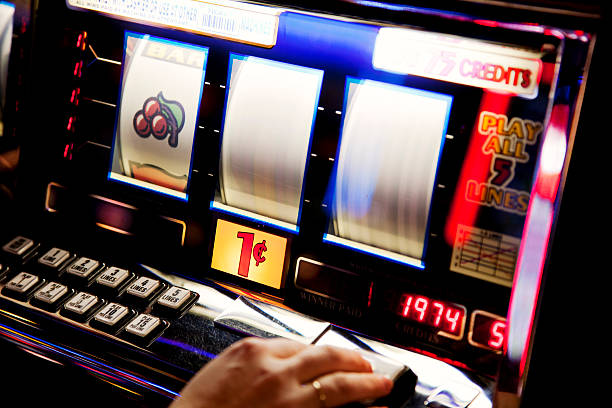
These biases are compounded by the casino environment, designed to exploit them. Bright lights, sounds of winners, and the layout of games all serve to create an atmosphere that encourages continued play. By understanding these psychological elements, players can become more aware of their own decision-making processes, reducing the likelihood of falling into harmful gambling patterns.
The Impact of Emotion on Gambling Behavior
Emotion plays a pivotal role in gambling behavior. Many individuals gamble to escape from stress, anxiety, or other negative emotions. The thrill of gambling can serve as a temporary distraction, providing an adrenaline rush that is both enjoyable and addictive. However, this emotional connection can lead players to chase losses or increase their bets in hopes of recovering lost funds, creating a dangerous cycle that can lead to significant financial and personal distress.
Conversely, positive emotions can also drive gambling behavior. Players often feel exhilarated when they win, which can lead to a compulsive need to recreate that feeling. This desire for the “high” of winning can obscure rational decision-making, prompting individuals to make increasingly reckless bets. Understanding the emotional triggers behind gambling can help players develop healthier coping mechanisms and more disciplined approaches to gaming.
Furthermore, the social aspects of gambling can amplify emotional responses. Many people enjoy gambling in groups or at social events, where the excitement and camaraderie can enhance the experience. However, this social dynamic can also lead to peer pressure to gamble more or take larger risks. Recognizing the emotional factors at play can empower players to make more informed choices about their gambling habits.
Decision-Making Under Uncertainty
Gambling inherently involves decision-making under conditions of uncertainty. Players must continually weigh the risks and rewards of their choices, which can be challenging, especially in fast-paced casino environments. This uncertainty can lead to impulsive decisions, as individuals may rely on gut feelings rather than a rational assessment of the odds. The instant gratification associated with gambling can further cloud judgment, driving players to make hasty decisions that can lead to losses.
Additionally, cognitive overload can occur when players are faced with numerous options, such as the variety of games available at a casino. This overwhelming choice can hinder decision-making, leading individuals to select based on familiarity or superficial criteria rather than informed strategies. The stress of uncertainty can also push players to engage in riskier behaviors, such as increasing bet sizes in the hope of striking it rich, which can lead to detrimental financial consequences.
Educational initiatives aimed at improving players’ understanding of probability and risk could significantly enhance decision-making in gambling contexts. By providing resources that clarify the odds of various games and the long-term implications of betting strategies, casinos can promote responsible gambling and encourage players to make more informed choices. Awareness of these factors can ultimately lead to healthier gambling experiences.
The Social and Cultural Influences on Gambling
Social and cultural contexts greatly influence gambling habits and decision-making. For instance, in cultures where gambling is normalized or celebrated, individuals may be more inclined to view it as a recreational activity rather than a potential vice. This societal acceptance can reduce stigma and encourage more frequent gambling participation, sometimes leading to problematic behaviors as individuals lose sight of responsible gaming.
Additionally, family backgrounds can shape gambling attitudes. Individuals raised in environments where gambling is prevalent may be more likely to engage in similar behaviors, viewing them as acceptable or even desirable. Conversely, those with negative experiences related to gambling might develop aversions or a strong sense of caution. Understanding these cultural and familial influences can provide insight into one’s own gambling behaviors and help identify healthier practices.
Moreover, social connections play a crucial role in gambling choices. Players often gamble with friends or family, and the social dynamics involved can impact individual decision-making. The desire to fit in or impress peers can lead to increased betting or risky choices. Recognizing the social aspects of gambling can empower individuals to make more conscious choices, balancing enjoyment with responsibility.
Exploring Responsible Gaming at TuffPuff Casino
Casino is committed to fostering a responsible gaming environment for its users. By implementing features designed to promote player awareness and control, the platform encourages individuals to take charge of their gambling habits. For instance, offers tools to set deposit limits, cooling-off periods, and self-exclusion options, allowing players to manage their gaming activities proactively.
The casino also prioritizes player education, providing resources that explain the odds of various games and highlight the importance of responsible gambling. By making this information readily accessible, Casino aims to empower players to make informed decisions and develop healthier gambling habits. Regular promotions and loyalty rewards are also designed to enhance the gaming experience while maintaining a focus on responsible play.
Ultimately, Casino’s commitment to user safety and enjoyment sets a standard in the online gaming industry. By understanding the psychology behind gambling and prioritizing responsible gaming, players can enjoy a secure and entertaining environment that minimizes risks and maximizes fun.
Leave a Reply